RF Transceiver ICs
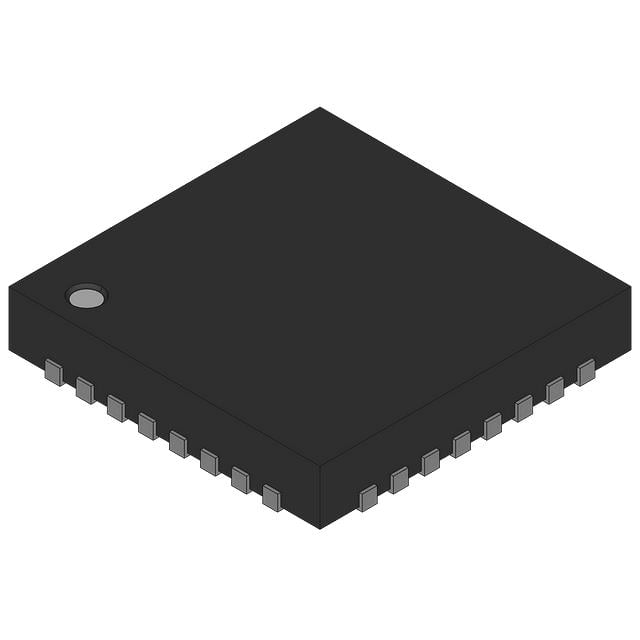
Rf Transceiver Ics combine the transmit and receive paths for a wireless link in one device, often with the RF front end, modem, synthesizer and control logic on a single chip. The category spans sub-GHz parts for metering and industrial telemetry, 2.4 GHz devices for Bluetooth Low Energy, Zigbee, Thread and proprietary links, plus wideband and multi-band parts used in gateways, asset trackers, remote controls, toys, medical sensors and building automation. Some are transceiver-only chips that need an external MCU; others are wireless SoCs with a Cortex-M core, memory and stack support, so the line between RF IC and microcontroller is not always clean. Buyers usually start with frequency band and regional rules, then look at output power, receiver sensitivity, data rate, modulation, supply range, sleep current, package size and antenna interface. After that come the less glamorous details: regulator or certification status, stack maturity, reference design quality, tools, EVB availability, lifecycle status and whether the part is on allocation. A common trade-off is price versus confidence. Saving a few cents from a loose channel can look good until reels arrive with mixed date codes, dry-pack handling is unclear, or a QFN lot will not pass incoming inspection. Many teams prefer tape-and-reel with full traceability and will pay a little more to keep production calm. If you have a target part number, alternates list or annual usage, check current stock and request a quote at icxing.com.
Frequently Asked Questions
How do I avoid counterfeit RF transceiver ICs when the factory part is short?
Ask for traceability to the franchised source or original lot, plus photos of labels, reels and date codes before payment. For QFN and BGA packages, confirm MSL handling and inspect solderability on receipt; RF parts are small, and remarked lots are common during shortages.
What specs matter most when comparing two transceivers for the same band?
Match the regulatory band first, then compare sensitivity, output power, adjacent-channel performance, sleep and receive current, package and stack or driver support. A part with better paper specs can still be the wrong choice if the reference design, certifications or toolchain are weak.
Can you suggest alternates if my exact RF transceiver is end of life?
Yes, but pin-compatible swaps are rare once the radio, MCU and software stack are considered. Provide the exact part number, firmware dependencies, band, certification needs and annual volume so alternates are checked for real drop-in risk rather than just similar headline specs.
- Current - Receiving:
-
- Current - Transmitting:
-
- Data Rate (Max):
-
- Frequency:
-
- Memory Size:
-
- Modulation:
-
- Operating Temperature:
-
- Package / Case:
-
- Power - Output:
-
- Product Status:
-
- RF Family/Standard:
-
- Sensitivity:
-
- Serial Interfaces:
-
- Supplier Device Package:
-
- Type:
-
- Voltage - Supply:
-
| Image | Part | Manufacturer | Description | Stock | Action | |
|---|---|---|---|---|---|---|

|
Atmel (Microchip Technology) | RF AND BASEBAND C... |
4,970
In-stock
|
Inquiry | ||

|
Atmel (Microchip Technology) | RF AND BASEBAND C... |
5,190
In-stock
|
Inquiry | ||

|
Atmel (Microchip Technology) | ATMEGA64 - RISC MI... |
2,440
In-stock
|
Inquiry | ||
|
Atmel (Microchip Technology) | 2.4GHZ TRANSCEIVE... |
6,180
In-stock
|
Inquiry | ||

|
Atmel (Microchip Technology) | RISC MICROCONTRO... |
3,540
In-stock
|
Inquiry | ||
|
|
Atmel (Microchip Technology) | RISC MICROCONTRO... |
7,980
In-stock
|
Inquiry | ||

|
Atmel (Microchip Technology) | RISC MICROCONTRO... |
7,290
In-stock
|
Inquiry | ||

|
Atmel (Microchip Technology) | IC RF TXRX+MCU 802.... |
6,690
In-stock
|
Inquiry | ||
|
|
Atmel (Microchip Technology) | AT86RF2 - WIRELESS... |
7,920
In-stock
|
Inquiry | ||
|
|
Atmel (Microchip Technology) | AT86RF2 - WIRELESS... |
5,730
In-stock
|
Inquiry | ||
|
|
Atmel (Microchip Technology) | AT86RF2 - WIRELESS... |
5,140
In-stock
|
Inquiry |