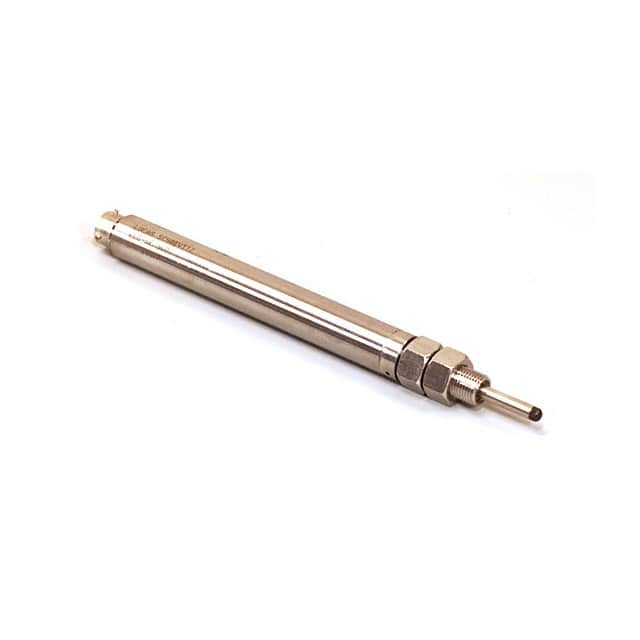
LVDT Transducers (Linear Variable Differential Transformer)
LVDT transducers, short for linear variable differential transformer sensors, are used when you need accurate, repeatable measurement of linear position without physical contact between the core and the coil assembly. They are common in industrial automation, aerospace test systems, hydraulic actuator feedback, turbine control, materials testing, and factory equipment where drift or contact wear would cause problems over time. This category usually covers standard AC LVDTs, DC-operated versions with built-in signal conditioning, spring-loaded displacement types, long-stroke models, and custom mechanical housings for harsh environments. When buyers source these parts, the part number is only the starting point. Engineers usually check measurement range, linearity, output type, excitation requirements, temperature range, body diameter, mounting style, connector or lead wire configuration, and whether the unit is suited for lab use or continuous industrial duty. Procurement teams also ask about lifecycle status, because some older LVDT models stay in service for years after the original cataloging changes. In practice, the trade-off is often between a cheaper available alternative and a factory-original part with the exact calibration and mechanical fit the equipment already expects. There is also a real counterfeit and gray-market risk in electromechanical sensing components, especially when a model is scarce or discontinued. Packaging, labeling, date code consistency, and traceable sourcing matter more than many buyers expect. For Lvdt Transducers Linear Variable Differential Transformer requirements, current stock and quotation support are available at icxing.com.
Frequently Asked Questions
How do I make sure an LVDT replacement will work in an existing system?
Match more than the model family. You need the same stroke range, output configuration, supply requirements, connector or lead setup, and mechanical dimensions, plus linearity and temperature performance if the application is sensitive. If the unit is part of a calibrated feedback loop, even a close substitute can create extra setup work.
What do buyers usually check before approving an LVDT supplier?
Most buyers ask for original manufacturer sourcing, clear date code information, condition of packaging, and whether the supplier can provide traceable documentation. For older or hard-to-find models, counterfeit risk becomes a bigger issue, especially if the price looks unusually low or the delivery promise is too fast to be credible.
Why can lead time and price vary so much for LVDT transducers?
Standard models with stock on hand are usually straightforward, but long-stroke, sealed, high-temperature, or special connector versions often move into short supply or build-to-order territory. That is where price and lead time start pulling in opposite directions, so buyers usually compare original stock, factory lead time, and any approved alternatives before committing.
- Features:
-
- Linear Range:
-
- Operating Temperature:
-
- Product Status:
-
- Size / Dimension:
-