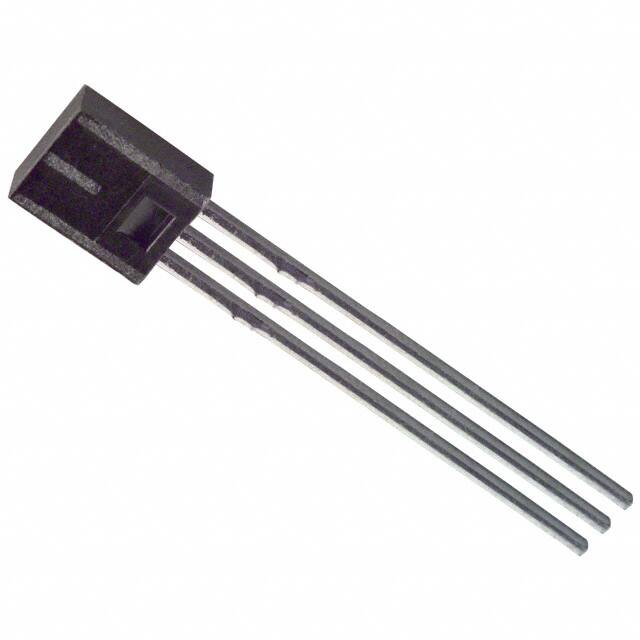
Optical Sensors - Reflective - Analog Output
Reflective optical sensors with analog output sit in a useful middle ground between simple on/off photo interrupters and full digital encoder solutions. Instead of a threshold-triggered digital signal, these parts give you a continuous voltage or current that varies with distance to, or reflectivity of, the target surface. Common sub-types include reflective photoelectric sensors in SMD packages for surface detection, larger threaded-barrel units for industrial mounting, and compact modules that pair an IR emitter with a phototransistor on a single board. You will find them in paper and label detection on printers, edge sensing on conveyors, close-range object detection in robotics, wheel speed monitoring, and position feedback in small mechanisms where a contact switch would wear out. When engineers and buyers source these parts, the conversation usually comes down to a few practical things. Sensing distance range and how linear the analog curve stays across that range matter more than most people expect, since two sensors with the same headline spec can behave very differently on glossy versus matte targets. Response time, emitter wavelength, package style, and supply voltage tolerance are the next checks. On the procurement side, analog-output reflective sensors from brands like Omron, Vishay, Sharp, and TT Electronics get counterfeited or remarked more often than commodity passives, so traceability and date codes are worth asking about before you place a PO. The usual trade-off is lead time against price: factory-direct pricing looks attractive, but sixteen-week lead times push many buyers to independent distribution, where you pay a bit more and get parts in days. Packaging preference also trips people up, since some parts ship cut tape only while assembly houses want full reels. XingHuan International stocks reflective analog optical sensors across multiple manufacturers and package options, with sourcing support for obsolete or hard-to-find part numbers. You can check current stock and request a quote directly at icxing.com.
Frequently Asked Questions
How do I avoid counterfeit reflective optical sensors when buying from the open market?
Ask for date codes, lot traceability, and photos of the actual reels or trays before committing. Counterfeiters often remark cheaper reflective sensors as premium Omron or Sharp parts, and the giveaway is usually inconsistent marking or packaging that does not match the manufacturer's standard reel format.
What lead time should I expect for reflective analog optical sensors?
Standard parts from stock typically ship within a few days from an independent distributor. Factory lead times on less common part numbers can run twelve to twenty weeks, which is why many buyers keep a second source or accept a small price premium for ready stock.
Why do two sensors with the same sensing distance spec behave differently in my application?
The analog output curve depends heavily on target reflectivity, surface angle, and ambient light, not just the nominal distance rating. Check the datasheet's distance-versus-output graph for your specific target material, and if tolerance matters, look at parts with tighter binning or built-in ambient light suppression.
- Current - Collector (Ic) (Max):
-
- Current - DC Forward (If) (Max):
-
- Mounting Type:
-
- Output Type:
-
- Package / Case:
-
- Product Status:
-
- Response Time:
-
- Sensing Method:
-