
Nordic nRF54LC10A SoC: What It Means for IoT BOM Costs
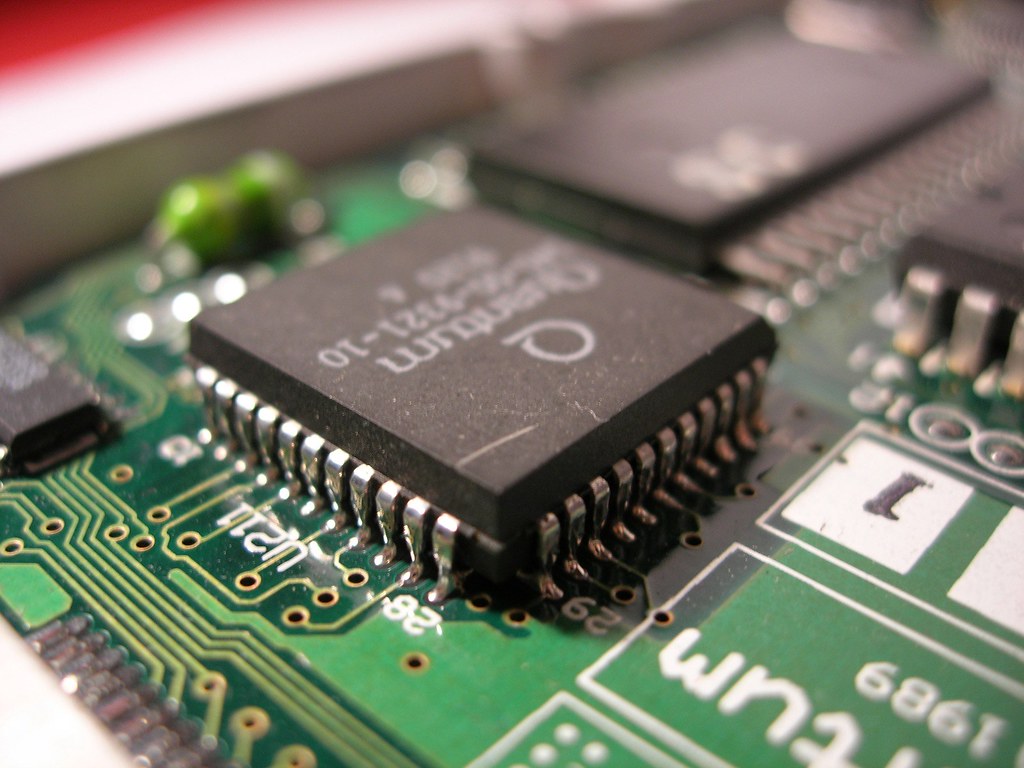
Nordic Semiconductor has added a cost-focused part to its newest Bluetooth LE family. As Electronics Weekly reported on 22 September, the nRF54LC10A SoC supports Bluetooth LE, Bluetooth Channel Sounding, Thread, Zigbee and Matter, and it's aimed squarely at small tags, trackers and smart home sensors. That's the high-volume, price-per-unit-obsessed end of the IoT market, where a few cents on the radio SoC can decide whether a product ships at all.
The "C" in the part number is the tell. When a vendor spins a cut-down variant of an established family, it usually means two things: the flagship parts have proven themselves in the field, and customers have been pushing back on price for designs that don't need the full memory footprint. Buyers should read this launch as a signal about where nRF54L pricing and volume production are heading, not just as one more SKU.
Where the nRF54LC10A Sits in the nRF54L Family
The nRF54L series is built around a 128 MHz Arm Cortex-M33 with a RISC-V coprocessor for low-power tasks, on a 22 nm process, with a 2.4 GHz radio that handles the multiprotocol stack the family is known for. The LC10A keeps that architecture but trims the cost structure for simpler devices. Nordic's announcement positions it below the existing L15, L10 and L05 parts.
| Part | Non-volatile memory | RAM | Positioning |
|---|---|---|---|
| nRF54L15 | 1.5 MB | 256 KB | Flagship; rich Matter / Thread gateways, complex sensors |
| nRF54L10 | 1.0 MB | 192 KB | Mid-range; wearables, HID, medical peripherals |
| nRF54L05 | 0.5 MB | 96 KB | Entry; simple beacons and remotes |
| nRF54LC10A | Confirm final figures in Nordic's product spec | Cost-optimized; tags, trackers, smart home sensors | |
One practical note before you commit a footprint: the family runs from a 1.7 to 3.6 V supply and ships in QFN and wafer-level CSP options, with industrial temperature grades up to +105 °C on some variants. The LC10A's package options and exact memory configuration should be checked against the final datasheet before layout, because cost-down spins sometimes drop a package or a peripheral block that the bigger siblings carry. Five minutes with the product spec now is cheaper than a board spin later.
Why This Matters If You Buy Wireless SoCs
Cost pressure is the defining theme of this design cycle. You see it across the industry, from industrial BOMs down to maker projects; a recent Hackaday piece on affordability-driven design is a reminder of how tightly engineers everywhere are watching per-unit cost. A part like the LC10A exists because tag and tracker makers told Nordic that even the L05's price was a stretch at millions of units per year.
There's also a broader pattern here: RF integration keeps absorbing functions that used to sit in separate chips. EE Times recently covered multibeam beamformers cutting size, weight and power in satellite phased arrays. That's a very different market, but the direction is the same. Fewer RF parts on the board, more protocol and processing inside one die. For buyers, integration shrinks the BOM line count but concentrates risk in a single part and a single supplier. When that one SoC goes on allocation, there's no easy second source.
One more thing worth watching if you design presence-sensing or occupancy products: the LC10A handles the radio side, but sensing itself is a separate decision. Semiconductor Engineering's recent analysis of 60 GHz radar presence sensing shows how radar front-ends now handle occupancy detection without keeping the main processor awake. Pairing a cheap multiprotocol SoC with a low-power radar or PIR front-end is becoming the standard recipe for battery-powered smart home nodes. Your SoC choice and your sensor choice should be costed together, not in separate meetings.
Practical Sourcing Implications
New Nordic parts follow a familiar pattern, and it's worth planning around it rather than being surprised by it.
- Samples first, volume later. Expect engineering samples and dev kits well before production reels are broadly available at distribution. If your product targets a 2027 launch, get on the early-access list through your Nordic FAE or franchised channel now, because queue position matters when the first production lots land.
- Module or chip-down? For cost-sensitive tags, chip-down with the LC10A and a printed antenna gives the lowest unit cost but carries certification and RF layout risk. Pre-certified modules from vendors like Raytac, Fanstel or Ezurio cost more per unit but pull FCC/CE work off your plate. At volumes under roughly 100k per year, modules often win on total cost once you count engineering time.
- Counterfeit risk is low today, higher later. Brand-new parts are rarely faked. The risk arrives in two or three years when the LC10A is designed into everything and spot-market demand spikes. The gray-market problem we've all seen with re-marked nRF52 parts is the preview. Lock in traceable supply chains early and keep lot codes on file from day one.
- Watch MOQ and reel sizes. WLCSP variants typically come in larger minimum reel quantities than QFN. If your CM runs small batches, confirm reel size and moisture-sensitivity handling before you freeze the package choice.
On the distribution side, this is the moment to talk to your supplier about stocking plans rather than after your CM asks for 50k pieces. At XingHuan International (icxing.com), we track new wireless SoC releases closely and can help buyers line up franchised stock, check lot traceability, or find an interim bridge part if a new Nordic SKU isn't yet shipping in volume. That kind of early conversation costs nothing and routinely saves a quarter of schedule pain.
Realistic scenario: a tracker maker is mid-design on the nRF54L05, and the LC10A now undercuts it on price for exactly their feature set. Switching means re-qualifying the radio layout and re-running Bluetooth qualification paperwork, but at two million units a year the saving is real money. The right move is to cost both paths honestly, including engineering time, not just compare unit prices on a spreadsheet.
FAQ
Q: When will the nRF54LC10A be available in production volumes through distribution?
A: Nordic typically ramps new nRF54 family parts over two to three quarters after announcement, with samples and dev kits first. Ask your franchised distributor for a committed date code in writing rather than relying on a website lead-time field, which often lags reality by weeks on new releases.
Q: Can I drop the LC10A into an existing nRF52 or nRF54L05 design?
A: Not directly. The nRF54L series uses a different core (Cortex-M33 versus the nRF52's M4) and different package pinouts, so firmware ports and usually a board re-layout are required. Within the nRF54L family the migration is much easier, since Nordic keeps the peripheral architecture and SDK consistent across the L15, L10, L05 and LC variants.
Q: Is a cost-down SoC like this worth the switch for mid-volume products?
A: Below roughly 50k units per year, re-qualification and re-layout costs usually eat the per-unit saving, so staying on your current part makes sense. Above a few hundred thousand units annually, even a $0.30 delta justifies the engineering effort. Run the crossover math with your actual volumes before deciding.
The honest takeaway: the LC10A isn't a part to panic-buy or to redesign around overnight. It's a signal that nRF54L pricing is moving down-market, and buyers who start the sampling and supplier conversations now will have real options when their 2027 cost-reduction reviews come around.