
Plasma vs KOH for LCP Metallization: Buyer Signals
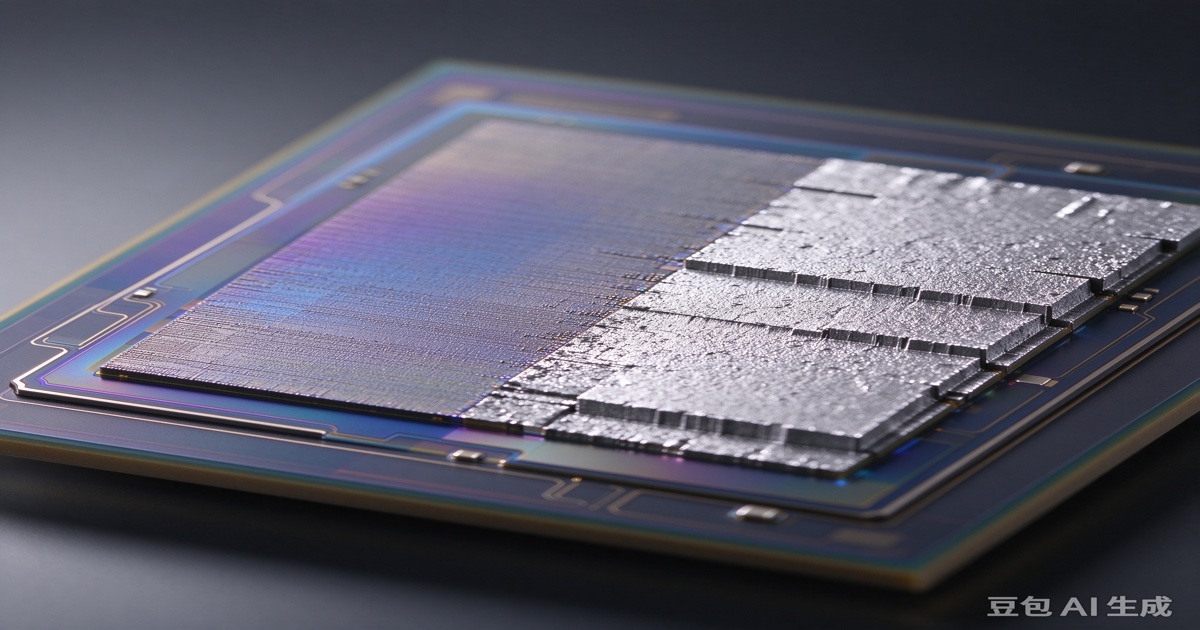
At electronica 2026 in Munich, SCHIEDERWERK GmbH said it will present platform-based power supplies and power-management hardware for mobile, medical and industrial systems, according to an EE Times report. Plasma processing for LCP metallization means using a controlled gas discharge to clean, activate and micro-roughen liquid-crystal-polymer before copper or seed-layer deposition, instead of relying only on hot potassium hydroxide. A recent Semiconductor Engineering item says optimized plasma can deliver surface roughening and activation without the wet-chemistry baggage that makes some factories nervous.
The power-supply story and the LCP process note belong in the same buyer conversation. Mission-critical PSU designs keep moving into tighter enclosures, higher ambient temperatures and longer service contracts. That pushes interconnect substrates, sensor interfaces and power stages toward materials such as LCP, high-CTI laminates and carefully finished copper. If the metal does not stick, nothing else matters.
Why plasma is back on the LCP shortlist
KOH has history on its side. It is cheap, familiar and able to bite LCP enough to help adhesion when the bath is fresh and the rinse discipline is good. The trouble starts when geometry gets fine, parts carry molded-in stress, or the line has to hold a narrow adhesion window across many lots. Over-etch and you can change dimensions or expose filler. Under-etch and copper peels later, usually after the part is already inside a supply chain.
Plasma is not magic, but it shifts the control knobs. Gas mix, RF power, chamber pressure and treatment time can be logged lot by lot. For buyers, that means process capability can be audited with numbers instead of a verbal "we always do it this way." The catch is capital cost and cycle-time planning. A plasma step can be clean and repeatable, yet still become the bottleneck if one chamber serves too many part numbers.
Practical process windows vary by resin grade, copper thickness and whether the part is injection-molded LCP, LCP film or an LCP-based substrate. Use the table as a starting checklist, not as a universal recipe.
| Parameter | Typical KOH wet route | Typical plasma route | Buyer check |
|---|---|---|---|
| Chemistry / gas | KOH about 5-30 wt% | O2, Ar, N2 or CF4 mixes | Ask for exact chemistry, not "proprietary clean" |
| Temperature | Roughly 60-90 C bath | Often 20-80 C at part surface | Confirm LCP grade stays below distortion limit |
| Pressure / environment | Atmospheric wet bench | About 50-300 mTorr vacuum | Check pump-down time in quoted takt |
| Energy input | Thermal plus chemical etch | About 100-500 W RF, process dependent | Request power, time and gas flow on travelers |
| Residue risk | Ionic contamination if rinse is weak | Low liquid residue; watch fluorinated polymer film | Require ionic cleanliness or surface-energy data |
| Adhesion target | Often set by peel test after plating | Activated surface can raise wetting fast | Use a common pass mark such as >=0.5 MPa pull or agreed peel N/mm |
| Typical LCP context | Dk near 2.9-3.2 at RF, moisture uptake under 0.04% | Same bulk resin; surface energy changes | Do not let surface prep claims hide resin lot drift |
The electronica angle: power buyers should care
SCHIEDERWERK is not a commodity PSU house. It builds custom power electronics in Germany, so its electronica message is less about a single box and more about platform thinking: medical leakage limits, industrial hold-up behavior, mobile charging profiles and service access. That matters because these products often end up beside sensors, actuators and RF front ends where LCP shows up. A recent EE Times webinar note on the ADMT4000 points to the same direction from the sensor side: smaller mechatronic parts still need dependable position data after power loss, which raises the bar on interconnect stability.
Power conversion is also getting less forgiving. Infineon's solid-state transformer material is aimed at designers moving toward faster switching and denser magnetics. A useful design note from EDN on multi-output flyback cross-regulation is a reminder that even modest converters can fail in the gray space between outputs. When procurement squeezes cost by changing laminate, connector plating or LCP prep late in the build, cross-regulation and insulation coordination are rarely the first line items to get retested. They should be.
What to ask before you release a BOM
Start with the interface stack: resin, surface prep, seed layer, plated copper, finish, solder or adhesive, then the field environment. If one supplier says plasma and another says KOH, do not argue philosophy. Ask each for Cpk on adhesion, surface energy before and after storage, and the maximum allowed delay between prep and metallization. Eight hours versus 72 hours can change inventory planning.
Then look at the semiconductor content around the power path. GlobalFoundries is publicly betting that FD-SOI variants can hit useful performance for physical AI without chasing every leading-edge node, as covered by EE Times. For buyers, the point is not foundry fashion. It is that more industrial and medical designs will mix efficient logic, high-voltage isolation, sensors and power discretes on one BOM. That increases the cost of a quiet materials change.
- Get lot traceability for LCP resin, copper foil or seed process, plasma recipe and final plating bath.
- Put a storage limit in the purchase order if surface activation decays before metallization.
- For PSUs, ask for isolation voltage, leakage current, hold-up time, efficiency at 10/50/100% load and MTBF assumptions.
- If a part is hard to find, prefer authorized channels or a distributor with inspection capacity; XingHuan International can support shortage searches, but paperwork still has to match the date code.
- Watch MOQ creep on custom LCP parts. A quoted reel or panel price can hide a tooling minimum.
Risk points that do not show up in the headline
Counterfeit risk in this niche is less about fake chips and more about substituted materials. A brokered PSU fan, connector insert or LCP film can arrive with plausible labels and the wrong flammability rating. The same goes for "equivalent" surface prep. Equivalent to which coupon, measured how, after what aging?
Lead time is the other trap. Wet benches are common, so KOH capacity may look easy until waste handling slows a site. Plasma tools are cleaner at the point of use, but a qualified chamber can be booked for weeks by automotive or RF work. If your product needs both a custom PSU and an LCP interconnect, qualify them as one system. A perfect converter beside a peeling antenna feed is still a field return.
The honest read from these news items is simple: power hardware is getting more application-specific, and the materials around it are becoming part of the electrical design. Plasma for LCP is worth attention because it gives process engineers a recordable control surface. Buyers should treat that as an audit opportunity, not a buzzword.
FAQ
Should I replace KOH with plasma on an existing LCP part?
Not automatically. Run a split lot with the same resin, copper and finish, then compare peel or pull strength after thermal aging, for example 85 C/85% RH for 500-1000 hours if your end market justifies it.
What document proves the plasma step was real?
Ask for a lot traveler or CoC listing gas mix, RF power, pressure, time and tool ID. A generic "cleaned and activated" line is weak evidence when date codes span multiple quarters.
Does plasma processing shorten lead time?
It can cut rinse and drying time, but only if chamber capacity matches volume. Get quoted takt in minutes per panel or per 1,000 parts, plus queue time, before assuming faster turns.